Field health system · Nepal & India

A system that remembers,
so health workers don't have to.

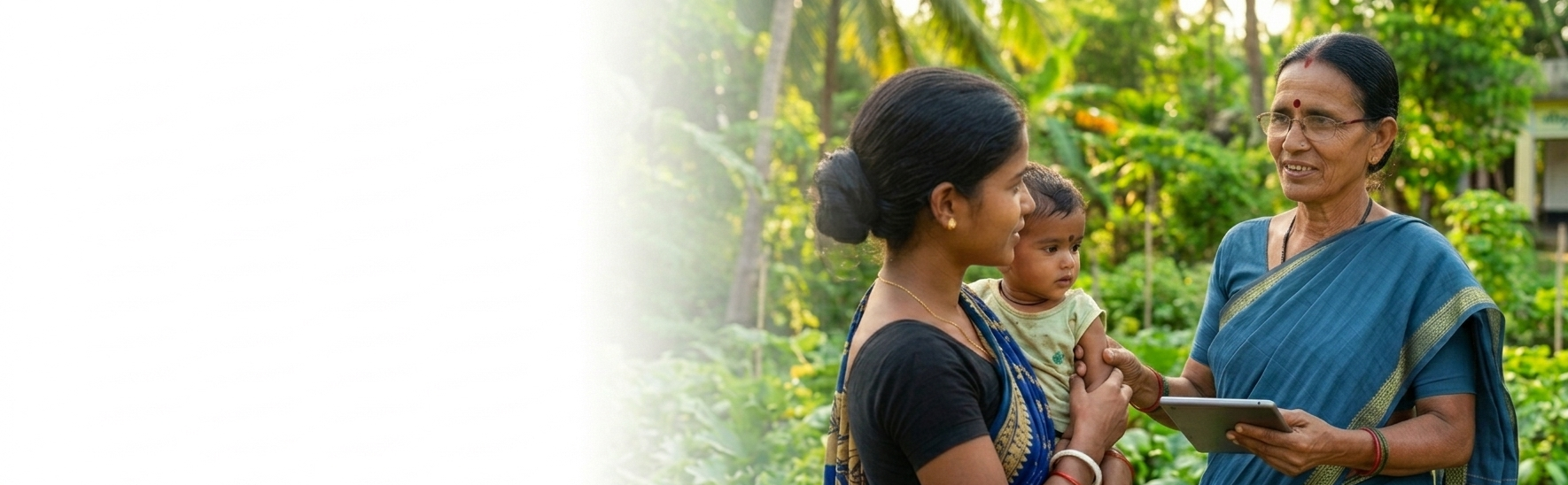
LekhaSathi helps FCHVs record patient visits, track pregnancies, manage vaccination schedules, and access maternal health protocols through simple voice conversations, even without internet access.

  • Presented at TMSoN 2026, National Telemedicine & Digital Health Conference
  • Built for Nepal's 52,000+ FCHVs
Working prototype, field-ready workflow

This is real, running software, not a concept.

A health worker speaks; the record writes itself. Pregnancy stage, follow-up dates, and child immunisation are tracked automatically, fully offline.

Voice-captured patient record · pregnancy & immunisation tracking · offline-firstOpen full video

The Problem

Frontline health workers carry the system, but lack the tools.

Over 52,000 FCHVs in Nepal are the first point of contact for rural maternal and child health. They work without digital records, without follow-up systems, and without a structured way to hand patients to the next level of care.Source: PMC / NCBI, published FCHV study, 2019

Fragmented patient memory

No reliable record of a mother or child's history across visits. Everything depends on paper registers and personal memory.

FCHVs across Nepal

52,000+managing maternal and child health with no digital longitudinal record at community level

Source: PMC / NCBI, published FCHV study, 2019
Missed follow-ups

Pregnant women miss antenatal visits. Children miss vaccination schedules. There is no automated tracking or reminder system at field level.

SDG maternal health target

Off-trackNepal has not met targets for maternal survival

Source: WHO Nepal, April 2025

Late risk detection

Danger signs detected too late. No structured decision support for field workers in the critical early window.

Maternal mortality rate, Nepal

~142deaths per 100,000 live births

Source: WHO modelled estimate, 2023

Weak referral flow

No structured handoff between village and health facility. Patients arrive at hospitals without history. Care starts from zero.

Neonatal mortality rate, Nepal

16.6 to 21deaths per 1,000 live births

Source: WHO 2025 / NDHS 2022

The human cost

When continuity breaks, the journey to care starts too late.

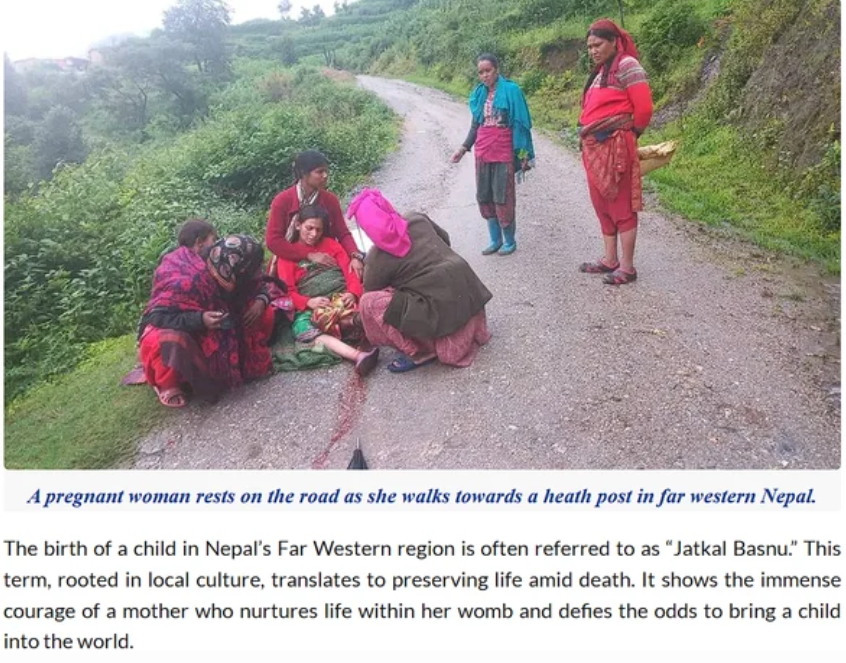
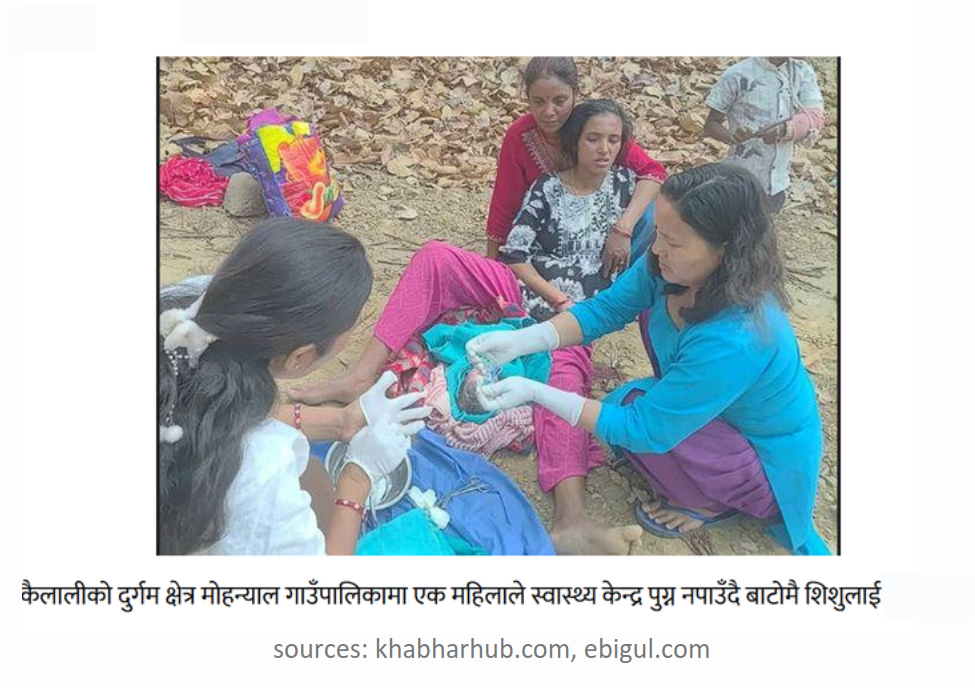
These are not edge cases. In Nepal's Far-Western hills, mothers still deliver on the road to the health post. The gap is not awareness; it is a missing thread of tracking, risk-recognition and coordinated referral.

A woman gives birth before reaching the health post in a remote ward of Kailali district, Far-Western Nepal.

A woman gives birth before reaching the health post in a remote ward of Kailali district, Far-Western Nepal.

When history and risk do not travel with the mother, the journey to care begins too late.

Source: Reported in Nepali press (Khabarhub, eBigul)

A pregnant woman rests on the roadside while walking toward a health post in Far-Western Nepal, a practice locally called “Jatkal Basnu.”

A pregnant woman rests on the roadside while walking toward a health post in Far-Western Nepal, a practice locally called “Jatkal Basnu.”

Distance and the absence of a tracked, coordinated handoff turn routine delivery into emergency.

Source: Reported in Nepali press, Far-Western Nepal

All figures are sourced from published data: Nepal DHS 2022 (Ministry of Health and Population), WHO Nepal country data (April 2025), and peer-reviewed FCHV research. Field photographs are drawn from Nepali press reporting on maternal health access in Far-Western Nepal.

The Insight

The system is not missing data.
It is missing continuity.

Data exists in paper registers, in memory, in scattered notes and health cards. But nothing follows the patient across time, across visits, across providers. Every new encounter starts from zero.

LekhaSathi is built to fix the continuity gap, not to add another form to fill in.

Today: fragmented

Paper registerMemoryScattered notesVisit recordHandoff slipHealth card

With LekhaSathi: continuous

  1. Registration
  2. ANC visit 1
  3. ANC visit 2
  4. Danger-sign
  5. Referral
  6. Follow-up

The Three Delays Model · Thaddeus & Maine, 1994

Every maternal death traces to a delay. LekhaSathi works on all three.

1

Delay 1

Deciding to seek care

Continuous tracking + danger-sign recognition surface risk early.

2

Delay 2

Reaching a facility

Coordinated, structured referral shortens the path to care.

3

Delay 3

Receiving appropriate care

The patient's history arrives with her, so care doesn't start from zero.

The Product

One system. Built around how field health workers actually work.

01

Visit a mother

Voice-based record captured during the home visit, works fully offline.

02

System remembers her

Full patient history, pregnancy stage, and child immunisation in one view.

03

Guides next action

Next ANC visit date, upcoming vaccinations, and overdue follow-ups surfaced automatically.

04

Risk detected

Danger signs explained clearly with a direct action step: what to do, right now.

05

Referral generated

A structured printable slip the patient carries, so her history travels with her.

Every step is designed for low-literacy users, intermittent connectivity, and the real conditions of a home visit, not an office.

Field Reality

Built with frontline health workers.

We are building LekhaSathi with frontline health workers. We are currently running discovery interviews with FCHVs and rural health post staff to ensure the system reflects how they actually work, not how we imagine they work.

This section will be updated with direct, consented accounts from field visits as they happen. No quotes appear here until we have real ones.

The Team

Engineering + public health + field research.

We are building LekhaSathi because the problem is structural, not technical, and solving it requires both.

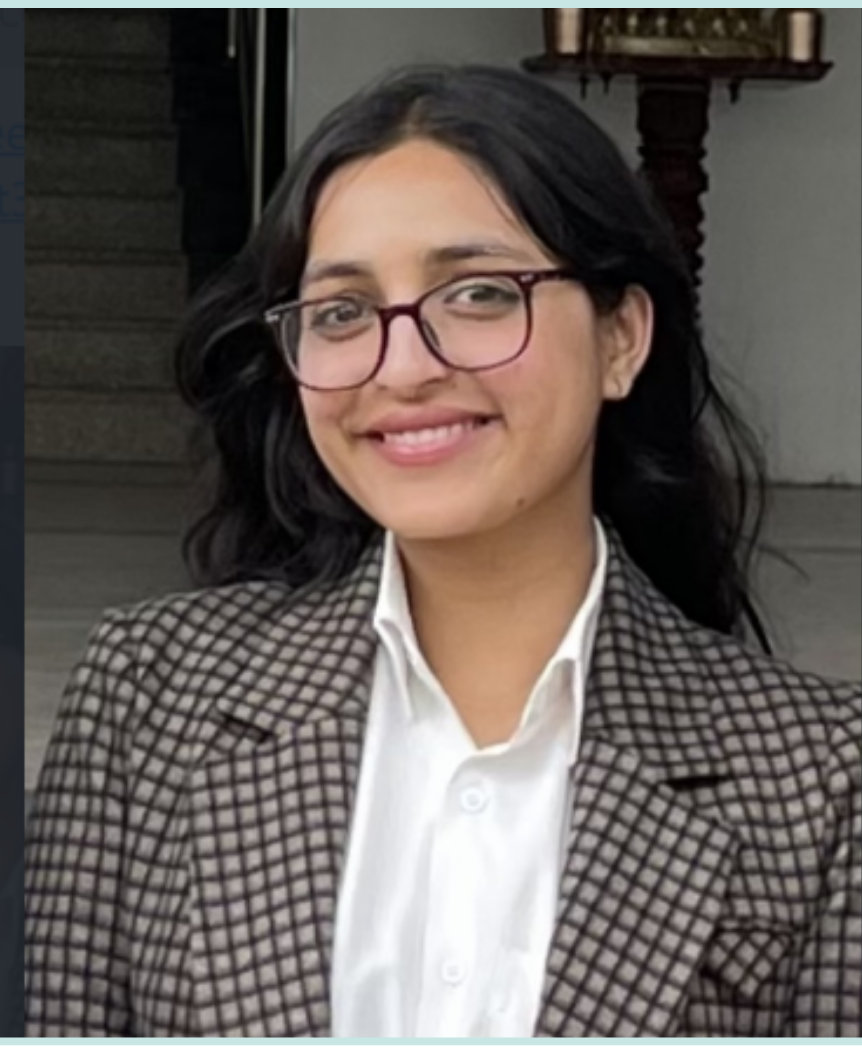
Swastik Bhandari, Founder of LekhaSathi
Founder

Swastik Bhandari

Field Research & Clinical Workflow Translation

  • Kathmandu University · Computer Engineering
  • Research mentee, IIT Kanpur
  • IN-SPaN, IIT Madras
  • NLP research student
  • Google Trilingual MT Hackathon, Honorable Mention
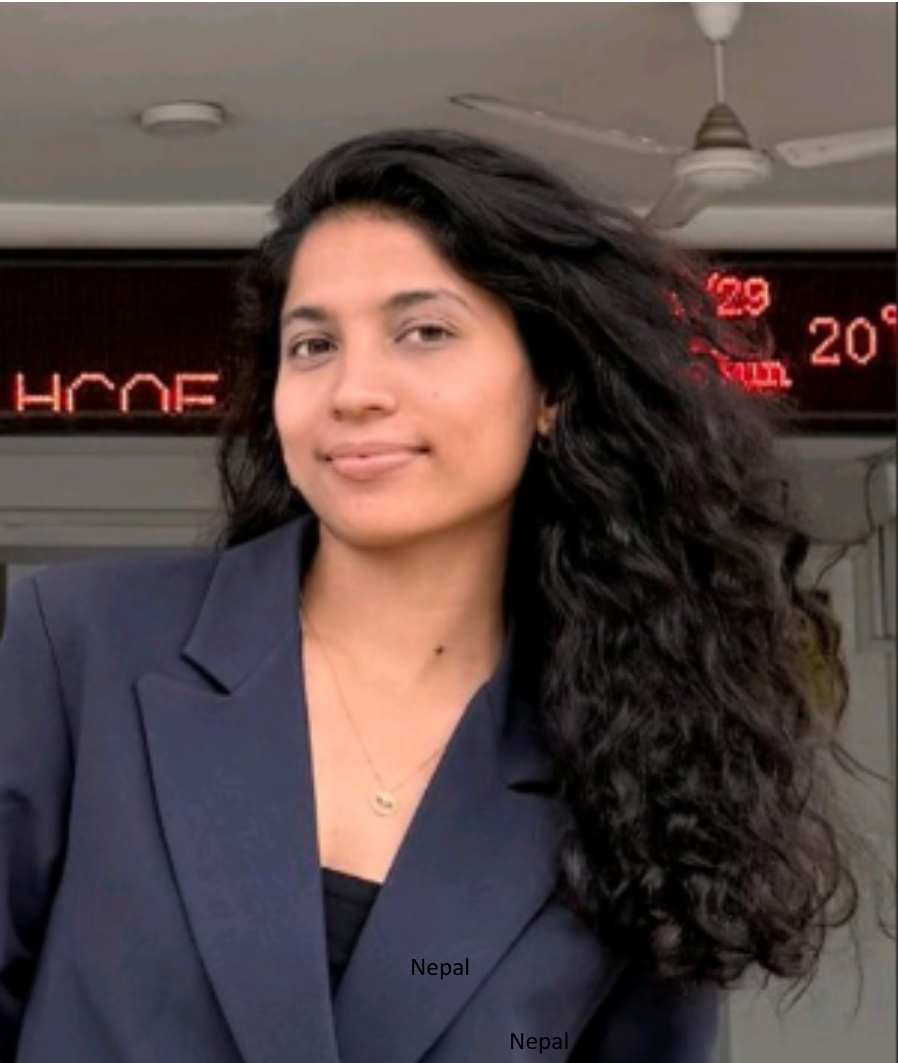
Sandhya Adhikari, Co-Founder of LekhaSathi
Co-Founder

Sandhya Adhikari

Platform Architecture & Offline AI Systems

  • Himalayan College of Engineering
  • AWS Cloud Club Representative
  • CodeYatra Tech Lead
  • Deployable AI systems engineer
Bidhya Bhattarai, Co-Founder of LekhaSathi
Co-Founder

Bidhya Bhattarai

Community Outreach & Pilot Operations

  • Harvard WECode 2025 Scholar
  • President, Robotics Club
  • FCHV training design lead
  • Community engagement coordinator

Presented & vetted

The idea behind LekhaSathi was presented at the 4th National Telemedicine & 1st Digital Health Conference (TMSoN) in January 2026.

The Vision

From fragmented care to continuous health intelligence.

P0

Daily tool

Prototype built

Voice record capture, pregnancy tracking, and immunisation scheduling. The working prototype demonstrates this today.

P1

Decision support

Direction

Maternal and child danger-sign recognition with clear, actionable guidance for the field worker.

P2

Referral bridge

Direction

Structured, offline-capable handoff the patient carries across care levels.

P3

System integration

Direction

FHIR-compatible data layer connecting community-level records to national EHR systems.

Partner with us

Partner with us to pilot in field settings.

We are looking for NGOs, health programmes, and field partners to co-develop a pilot. If you work with frontline health workers, get in touch.

How would you like to work together?